Buy drivertraining.eu ?
We are moving the project
drivertraining.eu .
Are you interested in purchasing the domain
drivertraining.eu ?
domain@kv-gmbh.de · 0541-91531010
Buy drivertraining.eu ?
What is the difference between chlorine and chlorine dioxide?
Chlorine is a chemical element with the symbol Cl and is a strong oxidizing agent commonly used for disinfection purposes. Chlorine dioxide, on the other hand, is a chemical compound with the formula ClO2 and is also used as a disinfectant but is considered to be a more effective and safer alternative to chlorine. Chlorine dioxide is a yellow to reddish gas at room temperature, while chlorine is a greenish-yellow gas. Additionally, chlorine dioxide is less likely to form harmful byproducts compared to chlorine. **
Why do two chlorine atoms combine to form a chlorine molecule?
Two chlorine atoms combine to form a chlorine molecule because each chlorine atom has seven electrons in its outer shell, making them highly reactive and likely to form a covalent bond. By sharing one electron each, the two chlorine atoms can achieve a stable electron configuration with a full outer shell of eight electrons, similar to the noble gas configuration. This sharing of electrons allows the two atoms to become more stable and lower their overall energy, forming a strong bond between them. **


Similar search terms for Chlorine
Top-Angebote
Products related to Chlorine:
-
Inspire Daily Merch Mini Traffic Signs Road Light Block, Children Safety Education Kids' Puzzle Traffic Light Toy, Kids' Gift Mini Traffic Signs Road Light Block, Children Safety Education Kids' Puzzle Traffic Light Toy, Kids' GiftEducational Fun for Kids with the Mini Traffic Signs Road Light Block Introduce your child to the world of traffic safety with the Mini Traffic Signs Road Light Block. Designed to engage children in a handson learning experience, this toy helps...29,97 $*Shipping: 0,00 $Secure redirect to the provider
-
Handpicked Choices Faucet Water Filter System For Lead Chlorine And Taste Reduction Faucet Water Filter System For Lead Chlorine And Taste ReductionTransform ordinary tap water into clean, refreshing hydration in seconds. This faucet water filter is designed for families who want safer, bettertasting water without bulky pitchers or costly installations. Powered by advanced 5 stage water...91,97 $*Shipping: 0,00 $Secure redirect to the provider
-
iSpring WCF200K Whole House Water Filter, Reduces Chlorine & PFASAdvanced Filter Media: Utilizes premium KDF55 and high quality coconut shell activated carbon to effectively remove chlorine, lead, heavy metals, PFAS, chloramine, radon, herbicides, and more.3329,99 $*Shipping: 0,00 $Secure redirect to the provider
-
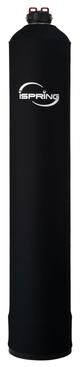
iSpring WF1054 Whole House Water Filter, Reduces PFAS & ChlorineSuperior Water Filtration Technology: Harness the potential of the iSpring WF1054 whole house water filtration system, uniting high-quality KDF and coconut shell activated carbon.1273,99 $*Shipping: 0,00 $Secure redirect to the provider



-
Does chlorine damage hair?
Chlorine can damage hair by stripping away its natural oils, leading to dryness and brittleness. It can also cause the hair cuticle to become rough and frayed, making the hair more prone to breakage and split ends. To minimize damage from chlorine, it is recommended to wet the hair with clean water before swimming, use a swim cap, and rinse the hair thoroughly with fresh water after swimming to remove chlorine residue. Additionally, using a clarifying shampoo or deep conditioning treatment can help restore moisture and repair any damage caused by chlorine exposure. **
-
What are chlorine vapors?
Chlorine vapors are the gaseous form of chlorine, a highly reactive and toxic chemical element. These vapors are produced when chlorine gas evaporates into the air. Inhalation of chlorine vapors can cause irritation to the respiratory system, eyes, and skin, and can be harmful or even fatal in high concentrations. Chlorine vapors are commonly used in disinfectants, bleaches, and water treatment processes. **
-
How is chlorine inhaled?
Chlorine can be inhaled when it is released into the air as a gas. This can happen when chlorine-containing products, such as bleach or cleaning agents, are used in poorly ventilated areas. Inhaling chlorine gas can irritate the respiratory system, causing symptoms such as coughing, chest tightness, and difficulty breathing. It is important to always use chlorine products in well-ventilated areas to minimize the risk of inhaling the gas. **
-
Have you swallowed chlorine?
No, I have not swallowed chlorine. Chlorine is a toxic gas and should not be ingested. Ingesting chlorine can cause irritation and damage to the throat, esophagus, and stomach, and can be potentially fatal. It is important to handle chlorine with care and follow proper safety precautions when using it. **


How is chlorine used?
Chlorine is commonly used for disinfection in water treatment plants to kill bacteria, viruses, and other microorganisms. It is also used in the production of a wide range of products including plastics, solvents, pesticides, and pharmaceuticals. In addition, chlorine is used in the production of bleach for cleaning and disinfecting purposes. Overall, chlorine plays a crucial role in maintaining public health and safety, as well as in various industrial processes. **
Is chlorine cleaner toxic?
Chlorine cleaner can be toxic if ingested or inhaled in large amounts. It is important to use chlorine cleaners in well-ventilated areas and to follow the instructions on the product label to ensure safe usage. Additionally, it is important to keep chlorine cleaners out of reach of children and pets to prevent accidental ingestion. While chlorine can effectively kill bacteria and viruses, it is important to use it with caution and in accordance with safety guidelines. **
Top-Angebote
Products related to Chlorine:
-
Multisell Products Hub Mini Traffic Signs Road Light Block Puzzle Toy Kids' Safety Education Traffic Light Set Mini Traffic Signs Road Light Block Puzzle Toy Kids' Safety Education Traffic Light SetIntroduce Your Child to Traffic Safety This Mini Traffic Signs Road Light Block Puzzle Toy is the perfect educational gift for young minds. Designed to engage children in fun, handson learning, this toy introduces them to essential traffic signs and...29,97 $*Shipping: 0,00 $Secure redirect to the provider
-
Perfect Picks Market Mini Traffic Signs Road Light Block, Children's Safety Education Kids' Puzzle Traffic Light Toy, Kids' Gift Mini Traffic Signs Road Light Block, Children's Safety Education Kids' Puzzle Traffic Light Toy, Kids' GiftEngage your child's curiosity and teach them important safety lessons with the Mini Traffic Signs Road Light Block. This fun and interactive kids' puzzle not only entertains but educates, providing an exciting way for children to explore the world...29,97 $*Shipping: 0,00 $Secure redirect to the provider
-
Inspire Daily Merch Mini Traffic Signs Road Light Block, Children Safety Education Kids' Puzzle Traffic Light Toy, Kids' Gift Mini Traffic Signs Road Light Block, Children Safety Education Kids' Puzzle Traffic Light Toy, Kids' GiftEducational Fun for Kids with the Mini Traffic Signs Road Light Block Introduce your child to the world of traffic safety with the Mini Traffic Signs Road Light Block. Designed to engage children in a handson learning experience, this toy helps...29,97 $*Shipping: 0,00 $Secure redirect to the provider
-
Handpicked Choices Faucet Water Filter System For Lead Chlorine And Taste Reduction Faucet Water Filter System For Lead Chlorine And Taste ReductionTransform ordinary tap water into clean, refreshing hydration in seconds. This faucet water filter is designed for families who want safer, bettertasting water without bulky pitchers or costly installations. Powered by advanced 5 stage water...91,97 $*Shipping: 0,00 $Secure redirect to the provider
-
What is the difference between chlorine and chlorine dioxide?
Chlorine is a chemical element with the symbol Cl and is a strong oxidizing agent commonly used for disinfection purposes. Chlorine dioxide, on the other hand, is a chemical compound with the formula ClO2 and is also used as a disinfectant but is considered to be a more effective and safer alternative to chlorine. Chlorine dioxide is a yellow to reddish gas at room temperature, while chlorine is a greenish-yellow gas. Additionally, chlorine dioxide is less likely to form harmful byproducts compared to chlorine. **
-
Why do two chlorine atoms combine to form a chlorine molecule?
Two chlorine atoms combine to form a chlorine molecule because each chlorine atom has seven electrons in its outer shell, making them highly reactive and likely to form a covalent bond. By sharing one electron each, the two chlorine atoms can achieve a stable electron configuration with a full outer shell of eight electrons, similar to the noble gas configuration. This sharing of electrons allows the two atoms to become more stable and lower their overall energy, forming a strong bond between them. **
-
Does chlorine damage hair?
Chlorine can damage hair by stripping away its natural oils, leading to dryness and brittleness. It can also cause the hair cuticle to become rough and frayed, making the hair more prone to breakage and split ends. To minimize damage from chlorine, it is recommended to wet the hair with clean water before swimming, use a swim cap, and rinse the hair thoroughly with fresh water after swimming to remove chlorine residue. Additionally, using a clarifying shampoo or deep conditioning treatment can help restore moisture and repair any damage caused by chlorine exposure. **
-
What are chlorine vapors?
Chlorine vapors are the gaseous form of chlorine, a highly reactive and toxic chemical element. These vapors are produced when chlorine gas evaporates into the air. Inhalation of chlorine vapors can cause irritation to the respiratory system, eyes, and skin, and can be harmful or even fatal in high concentrations. Chlorine vapors are commonly used in disinfectants, bleaches, and water treatment processes. **
Similar search terms for Chlorine
-
iSpring WCF200K Whole House Water Filter, Reduces Chlorine & PFASAdvanced Filter Media: Utilizes premium KDF55 and high quality coconut shell activated carbon to effectively remove chlorine, lead, heavy metals, PFAS, chloramine, radon, herbicides, and more.3329,99 $*Shipping: 0,00 $Secure redirect to the provider
-
iSpring WF1054 Whole House Water Filter, Reduces PFAS & ChlorineSuperior Water Filtration Technology: Harness the potential of the iSpring WF1054 whole house water filtration system, uniting high-quality KDF and coconut shell activated carbon.1273,99 $*Shipping: 0,00 $Secure redirect to the provider
-
iSpring WF1024 Whole House Water Filter, Reduces PFAS & ChlorineCutting-Edge Water Filtration: Encounter the exceptional iSpring WF1024 whole house water filtration system, integrating the potent combination of premium KDF and coconut shell activated carbon.812,49 $*Shipping: 0,00 $Secure redirect to the provider
-
Perfect Picks Market Wheelton Shower Filter For Hard Water Chlorine Removing Water Softener Wheelton Shower Filter For Hard Water Chlorine Removing Water SoftenerTransform your daily shower into a spalike experience that truly cares for your skin and hair. This advanced shower filter for hard water is designed for anyone tired of dryness, irritation, or dull hair caused by harsh tap water. By acting as a...49,97 $*Shipping: 0,00 $Secure redirect to the provider
-
How is chlorine inhaled?
Chlorine can be inhaled when it is released into the air as a gas. This can happen when chlorine-containing products, such as bleach or cleaning agents, are used in poorly ventilated areas. Inhaling chlorine gas can irritate the respiratory system, causing symptoms such as coughing, chest tightness, and difficulty breathing. It is important to always use chlorine products in well-ventilated areas to minimize the risk of inhaling the gas. **
-
Have you swallowed chlorine?
No, I have not swallowed chlorine. Chlorine is a toxic gas and should not be ingested. Ingesting chlorine can cause irritation and damage to the throat, esophagus, and stomach, and can be potentially fatal. It is important to handle chlorine with care and follow proper safety precautions when using it. **
-
How is chlorine used?
Chlorine is commonly used for disinfection in water treatment plants to kill bacteria, viruses, and other microorganisms. It is also used in the production of a wide range of products including plastics, solvents, pesticides, and pharmaceuticals. In addition, chlorine is used in the production of bleach for cleaning and disinfecting purposes. Overall, chlorine plays a crucial role in maintaining public health and safety, as well as in various industrial processes. **
-
Is chlorine cleaner toxic?
Chlorine cleaner can be toxic if ingested or inhaled in large amounts. It is important to use chlorine cleaners in well-ventilated areas and to follow the instructions on the product label to ensure safe usage. Additionally, it is important to keep chlorine cleaners out of reach of children and pets to prevent accidental ingestion. While chlorine can effectively kill bacteria and viruses, it is important to use it with caution and in accordance with safety guidelines. **
* All prices are inclusive of VAT and, if applicable, plus shipping costs. The offer information is based on the details provided by the respective shop and is updated through automated processes. Real-time updates do not occur, so deviations can occur in individual cases. ** Note: Parts of this content were created by AI.