Buy drivertraining.eu ?
We are moving the project
drivertraining.eu .
Are you interested in purchasing the domain
drivertraining.eu ?
domain@kv-gmbh.de · 0541-91531010
Buy drivertraining.eu ?
How do stereotypes arise?
Stereotypes arise from a combination of factors, including socialization, cultural norms, media representation, and personal experiences. People often rely on stereotypes as a way to categorize and make sense of the world around them, leading to oversimplified and generalized beliefs about certain groups of people. These beliefs can be perpetuated through repeated exposure and reinforcement, ultimately shaping individuals' perceptions and behaviors towards others. It is important to challenge and question stereotypes in order to promote understanding and empathy across different groups. **
What are Turkish stereotypes?
Turkish stereotypes often include the perception of Turks as being hospitable, passionate, and hot-tempered. There is also a stereotype of Turkish people being very family-oriented and valuing traditional values. Additionally, there are stereotypes about Turkish cuisine being spicy and flavorful, and Turkish coffee being strong and rich. However, it's important to remember that stereotypes do not represent the full diversity and complexity of any culture or group of people. **

Similar search terms for Stereotypes
Top-Angebote
Products related to Stereotypes:
-
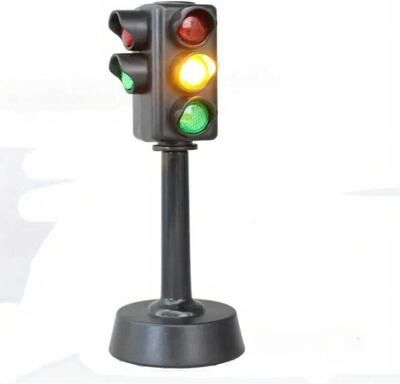
Inspire Daily Merch Mini Traffic Signs Road Light Block, Children Safety Education Kids' Puzzle Traffic Light Toy, Kids' Gift Mini Traffic Signs Road Light Block, Children Safety Education Kids' Puzzle Traffic Light Toy, Kids' GiftEducational Fun for Kids with the Mini Traffic Signs Road Light Block Introduce your child to the world of traffic safety with the Mini Traffic Signs Road Light Block. Designed to engage children in a handson learning experience, this toy helps...29,97 $*Shipping: 0,00 $Secure redirect to the provider
-
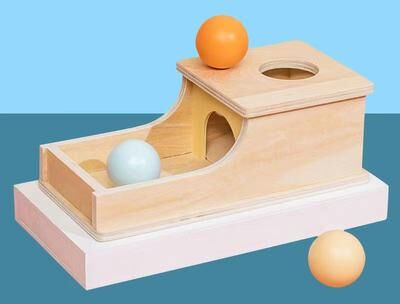
Tiny Tots Teens Trends Drawer Game Early Education Montessori Wooden Pitch Ball Box Preschool Learning Training Toy Drawer Game Early Education Montessori Wooden Pitch Ball Box Preschool Learning Training ToyThis Montessori Wooden Pitch Ball Box Drawer Game is a thoughtfully designed earlyeducation toy that transforms playtime into purposeful learning. Crafted for toddlers and preschoolers, it offers a handson, engaging way to support key developmental...39,97 $*Shipping: 0,00 $Secure redirect to the provider
-
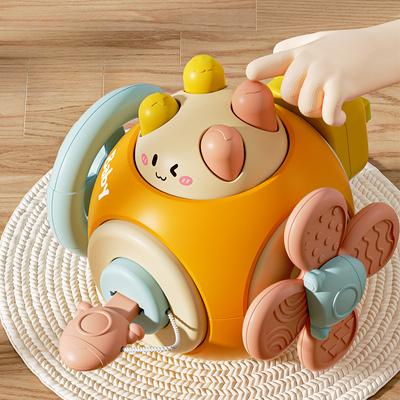
Tiny Tots Teens Trends Montessori Baby Training, Infant Puzzle Early Education Toys, Busy Hand Grasping Ball For Baby Montessori Baby Training, Infant Puzzle Early Education Toys, Busy Hand Grasping Ball For BabyIntroduce Your Baby to the World of Learning The Infant Puzzle Early Education Toys are designed to foster cognitive and physical development in your little one. This Multifunctional Busy Ball for Montessori Baby Training is ideal for enhancing...79,97 $*Shipping: 0,00 $Secure redirect to the provider
-
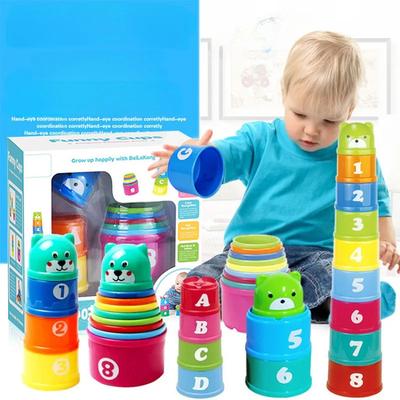
Modern Mode Marketplace Brain Response Battle Cup Set Fun Baby Stack Game For Early Education, Speed And HandEye Coordination Training Brain Response Battle Cup Set Fun Baby Stack Game For Early Education, Speed And HandEye Coordination TrainingUnlock your child's potential with the Brain Response Battle Cup Set! Perfect for young learners, this exciting game combines fun and education to develop handeye coordination and response speed. Ideal for babies and toddlers, it helps improve...29,97 $*Shipping: 0,00 $Secure redirect to the provider
-
Why are there stereotypes?
Stereotypes exist because the human brain naturally categorizes and simplifies information in order to make sense of the world. This can lead to the creation of generalizations about certain groups of people based on limited information or personal experiences. Additionally, stereotypes can be perpetuated and reinforced through media, cultural norms, and social interactions. However, it's important to recognize that stereotypes are often oversimplified and can lead to unfair assumptions about individuals, and it's crucial to challenge and break down these stereotypes in order to promote understanding and empathy. **
-
Are these stereotypes true?
Stereotypes are often based on limited or exaggerated characteristics of a group of people and do not represent the full diversity and complexity of individuals within that group. While some stereotypes may have a kernel of truth, it is important to recognize that they are not universally true for all individuals. It is essential to challenge stereotypes and strive to understand people as individuals rather than making assumptions based on generalizations. **
-
What are Romanian stereotypes?
Some common stereotypes about Romanians include that they are skilled in gymnastics, have a strong work ethic, and are skilled musicians. There is also a stereotype that Romanians are superstitious and believe in supernatural phenomena. Additionally, there is a stereotype that Romanians are very hospitable and enjoy sharing their traditional food and drinks with guests. However, it's important to remember that stereotypes do not represent the entire population and should not be used to make assumptions about individuals. **
-
What are stereotypes about Arabs?
Stereotypes about Arabs often include assumptions that they are all terrorists, violent, or oppressive towards women. They are also sometimes portrayed as wealthy oil tycoons or as uneducated and backwards. These stereotypes are harmful and inaccurate, as they ignore the diversity and complexity of Arab cultures and individuals. It is important to challenge these stereotypes and recognize the humanity and individuality of Arab people. **
What are typical German stereotypes?
Some typical German stereotypes include being punctual, efficient, and organized. Germans are often seen as being strict and serious, with a strong work ethic. They are also stereotyped as being beer-loving and enjoying sausages and pretzels. Additionally, Germans are sometimes perceived as being reserved and not very outgoing. **
What are typical Swiss stereotypes?
Some typical Swiss stereotypes include being punctual, efficient, and precise. Swiss people are often seen as reserved and conservative, with a strong emphasis on cleanliness and order. They are also stereotypically known for their love of chocolate, cheese, and watches. Additionally, Swiss neutrality and banking secrecy are commonly associated with the country. **
Top-Angebote
Products related to Stereotypes:
-
Multisell Products Hub Mini Traffic Signs Road Light Block Puzzle Toy Kids' Safety Education Traffic Light Set Mini Traffic Signs Road Light Block Puzzle Toy Kids' Safety Education Traffic Light SetIntroduce Your Child to Traffic Safety This Mini Traffic Signs Road Light Block Puzzle Toy is the perfect educational gift for young minds. Designed to engage children in fun, handson learning, this toy introduces them to essential traffic signs and...29,97 $*Shipping: 0,00 $Secure redirect to the provider
-
Perfect Picks Market Mini Traffic Signs Road Light Block, Children's Safety Education Kids' Puzzle Traffic Light Toy, Kids' Gift Mini Traffic Signs Road Light Block, Children's Safety Education Kids' Puzzle Traffic Light Toy, Kids' GiftEngage your child's curiosity and teach them important safety lessons with the Mini Traffic Signs Road Light Block. This fun and interactive kids' puzzle not only entertains but educates, providing an exciting way for children to explore the world...29,97 $*Shipping: 0,00 $Secure redirect to the provider
-
Inspire Daily Merch Mini Traffic Signs Road Light Block, Children Safety Education Kids' Puzzle Traffic Light Toy, Kids' Gift Mini Traffic Signs Road Light Block, Children Safety Education Kids' Puzzle Traffic Light Toy, Kids' GiftEducational Fun for Kids with the Mini Traffic Signs Road Light Block Introduce your child to the world of traffic safety with the Mini Traffic Signs Road Light Block. Designed to engage children in a handson learning experience, this toy helps...29,97 $*Shipping: 0,00 $Secure redirect to the provider
-
Tiny Tots Teens Trends Drawer Game Early Education Montessori Wooden Pitch Ball Box Preschool Learning Training Toy Drawer Game Early Education Montessori Wooden Pitch Ball Box Preschool Learning Training ToyThis Montessori Wooden Pitch Ball Box Drawer Game is a thoughtfully designed earlyeducation toy that transforms playtime into purposeful learning. Crafted for toddlers and preschoolers, it offers a handson, engaging way to support key developmental...39,97 $*Shipping: 0,00 $Secure redirect to the provider
-
How do stereotypes arise?
Stereotypes arise from a combination of factors, including socialization, cultural norms, media representation, and personal experiences. People often rely on stereotypes as a way to categorize and make sense of the world around them, leading to oversimplified and generalized beliefs about certain groups of people. These beliefs can be perpetuated through repeated exposure and reinforcement, ultimately shaping individuals' perceptions and behaviors towards others. It is important to challenge and question stereotypes in order to promote understanding and empathy across different groups. **
-
What are Turkish stereotypes?
Turkish stereotypes often include the perception of Turks as being hospitable, passionate, and hot-tempered. There is also a stereotype of Turkish people being very family-oriented and valuing traditional values. Additionally, there are stereotypes about Turkish cuisine being spicy and flavorful, and Turkish coffee being strong and rich. However, it's important to remember that stereotypes do not represent the full diversity and complexity of any culture or group of people. **
-
Why are there stereotypes?
Stereotypes exist because the human brain naturally categorizes and simplifies information in order to make sense of the world. This can lead to the creation of generalizations about certain groups of people based on limited information or personal experiences. Additionally, stereotypes can be perpetuated and reinforced through media, cultural norms, and social interactions. However, it's important to recognize that stereotypes are often oversimplified and can lead to unfair assumptions about individuals, and it's crucial to challenge and break down these stereotypes in order to promote understanding and empathy. **
-
Are these stereotypes true?
Stereotypes are often based on limited or exaggerated characteristics of a group of people and do not represent the full diversity and complexity of individuals within that group. While some stereotypes may have a kernel of truth, it is important to recognize that they are not universally true for all individuals. It is essential to challenge stereotypes and strive to understand people as individuals rather than making assumptions based on generalizations. **
Similar search terms for Stereotypes
-
Tiny Tots Teens Trends Montessori Baby Training, Infant Puzzle Early Education Toys, Busy Hand Grasping Ball For Baby Montessori Baby Training, Infant Puzzle Early Education Toys, Busy Hand Grasping Ball For BabyIntroduce Your Baby to the World of Learning The Infant Puzzle Early Education Toys are designed to foster cognitive and physical development in your little one. This Multifunctional Busy Ball for Montessori Baby Training is ideal for enhancing...79,97 $*Shipping: 0,00 $Secure redirect to the provider
-
Modern Mode Marketplace Brain Response Battle Cup Set Fun Baby Stack Game For Early Education, Speed And HandEye Coordination Training Brain Response Battle Cup Set Fun Baby Stack Game For Early Education, Speed And HandEye Coordination TrainingUnlock your child's potential with the Brain Response Battle Cup Set! Perfect for young learners, this exciting game combines fun and education to develop handeye coordination and response speed. Ideal for babies and toddlers, it helps improve...29,97 $*Shipping: 0,00 $Secure redirect to the provider
-
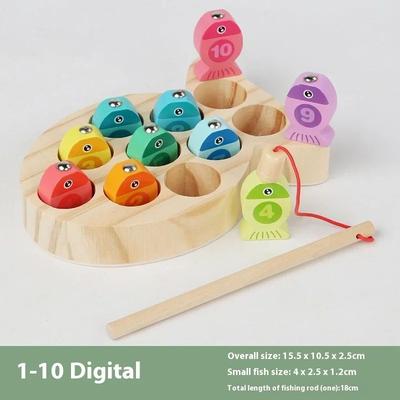
Inspire Select Wooden Montessori Fishing Toy Set Kids Number & Alphabet Learning Game For Early Education Training numbersMake learning fun and interactive with a playful educational experience. This Montessori fishing toy helps children develop essential skills while enjoying handson play. Designed for toddlers and young kids, this wooden learning toy combines...64,96 $*Shipping: 0,00 $Secure redirect to the provider
-
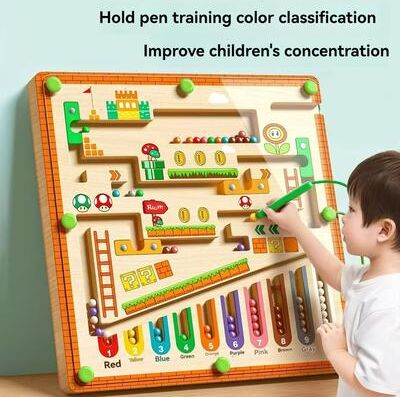
Multisell Products Hub Magnetic Maze Walking Ball, Children's Early Education Puzzle, Baby Concentration And Logic Thinking Training largeImprove Concentration with Fun Learning: Introducing the Children's Magnetic Maze Walking Ball, an engaging tool that fosters your childs concentration and cognitive skills. This interactive game is designed to help develop logic thinking while...29,97 $*Shipping: 0,00 $Secure redirect to the provider
-
What are Romanian stereotypes?
Some common stereotypes about Romanians include that they are skilled in gymnastics, have a strong work ethic, and are skilled musicians. There is also a stereotype that Romanians are superstitious and believe in supernatural phenomena. Additionally, there is a stereotype that Romanians are very hospitable and enjoy sharing their traditional food and drinks with guests. However, it's important to remember that stereotypes do not represent the entire population and should not be used to make assumptions about individuals. **
-
What are stereotypes about Arabs?
Stereotypes about Arabs often include assumptions that they are all terrorists, violent, or oppressive towards women. They are also sometimes portrayed as wealthy oil tycoons or as uneducated and backwards. These stereotypes are harmful and inaccurate, as they ignore the diversity and complexity of Arab cultures and individuals. It is important to challenge these stereotypes and recognize the humanity and individuality of Arab people. **
-
What are typical German stereotypes?
Some typical German stereotypes include being punctual, efficient, and organized. Germans are often seen as being strict and serious, with a strong work ethic. They are also stereotyped as being beer-loving and enjoying sausages and pretzels. Additionally, Germans are sometimes perceived as being reserved and not very outgoing. **
-
What are typical Swiss stereotypes?
Some typical Swiss stereotypes include being punctual, efficient, and precise. Swiss people are often seen as reserved and conservative, with a strong emphasis on cleanliness and order. They are also stereotypically known for their love of chocolate, cheese, and watches. Additionally, Swiss neutrality and banking secrecy are commonly associated with the country. **
* All prices are inclusive of VAT and, if applicable, plus shipping costs. The offer information is based on the details provided by the respective shop and is updated through automated processes. Real-time updates do not occur, so deviations can occur in individual cases. ** Note: Parts of this content were created by AI.